Best neighbourhoods to buy a house in Eindhoven
Compare Eindhoven neighbourhoods by daily fit, housing context, access and trade-offs before you choose where to search.
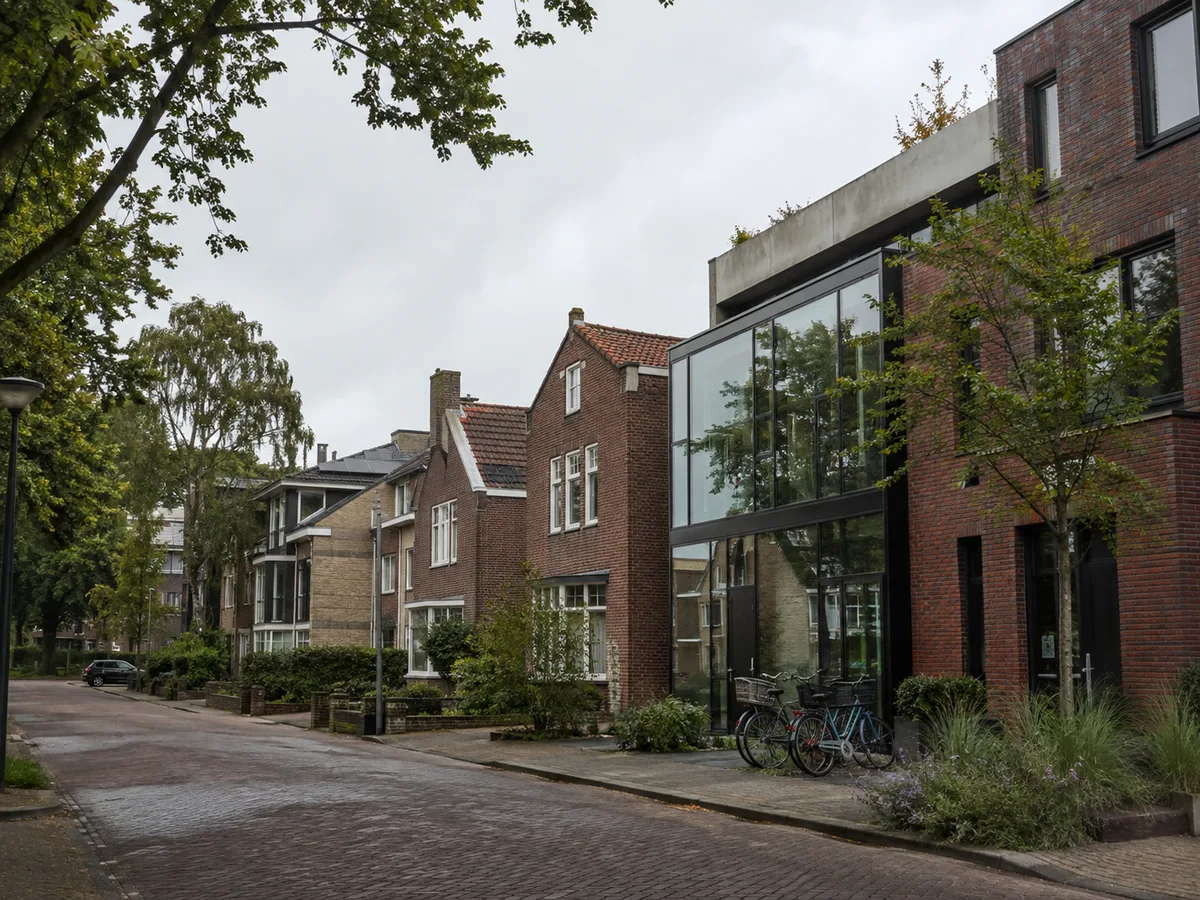
Looking for the best neighbourhood to buy a house in Eindhoven? The useful answer depends on your daily destinations, preferred home type, budget and tolerance for sound, parking pressure and nearby works. Treat the four settings as search directions, then compare the exact street, building and documents before you make an offer.
A central setting can shorten daily errands, while an urban apartment setting brings different building and area questions. Established streets and broad mixed districts create their own trade-offs. The strongest choice is the one that still fits after you test the address against your ordinary routine.
How to compare Eindhoven neighbourhoods
Four questions for the same comparison
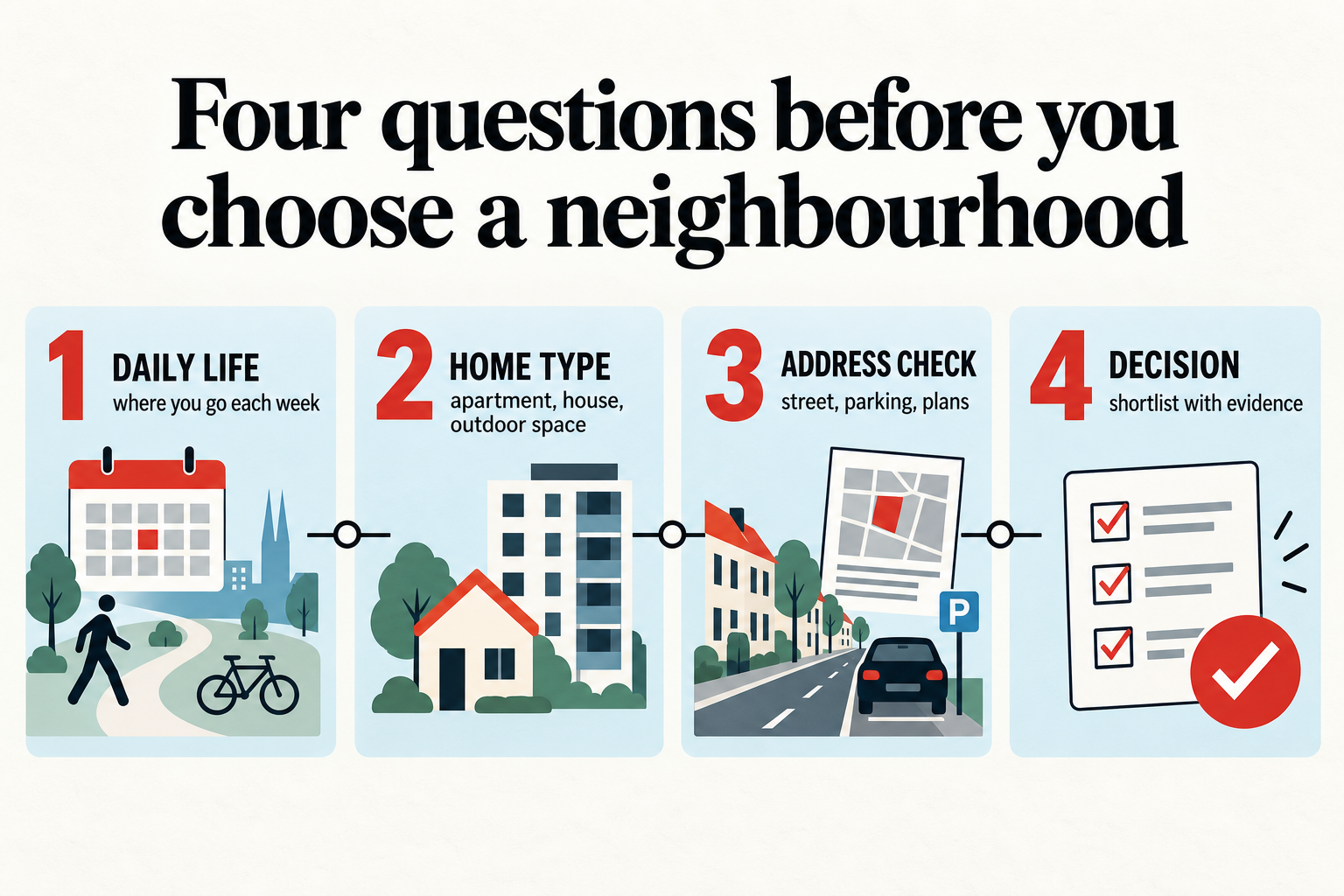
I compared each setting against four questions:
- Daily fit: Which places do you reach in an ordinary week, and what should the journey feel like from the front door?
- Housing context: Does the search involve an apartment file, VvE records, a terrace-house inspection, renovation questions or a closer look at building age and form?
- Access: How do cycling, public transport, walking, car use, P+R and roadworks affect the exact address?
- Parking and change: Which parking conditions, street details or nearby plans can alter the decision?
When you compare homes in Eindhoven, the city’s district structure makes clear that names such as Woensel and Tongelre cover more than one kind of street.
Before choosing between listings, compare the living environment around a shortlisted address with the Eindhoven average in BuurtKijker. That comparison keeps a broad search tied to the exact neighbourhood and address.
Turn area context into address questions
Municipal descriptions establish area context. Your decision still rests on the street, building, documents and financing questions attached to one property.
Make the budget concrete by putting Eindhoven home-buying costs beside the amount you can spend on the property itself.
When your shortlist narrows to one address, you can compare valuation evidence across Eindhoven neighbourhoods with the property’s own housing mix and condition before making an offer.
The four-step comparison adds a repeatable decision frame before the neighbourhood recommendations. It separates area clues from evidence that belongs to the home and its file.
Which buyer situations fit this comparison?
These search directions help you when you:
- are starting a search and need to reduce a broad Eindhoven map to two or three areas;
- are moving from another Dutch city or another country and want questions that work without local assumptions;
- are comparing an apartment, a terrace house or a mixed residential street;
- need to balance travel, outdoor space, parking, building records and future plans.
After an area fits those questions, the Eindhoven home-buying sequence puts viewing, offer, finance and transfer in order.
The same purchase decision also includes Eindhoven home-buying topics such as price, documents and offers.
If an address question remains, you can describe your question about buying in Eindhoven without attaching personal documents.
Address questions behind each setting
If you want those amenities within reach, Eindhoven Centre’s central amenities can make a car-light routine practical.
If you are comparing Strijp-S with other apartment settings, the wider Strijp district and its area projects show why the specific address matters.
When you narrow a Tongelre search, the neighbourhoods within the Tongelre district show why the city label is not enough for an address decision.
If Woensel is on your shortlist, the many neighbourhoods within Woensel-Noord make it worth naming the exact area before you compare homes.
If you keep a car, include Eindhoven’s paid-parking areas and permit rules in the address check, especially for homes inside the ring or near Winkelcentrum Woensel.
For a buyer comparing daily travel, Eindhoven’s cycling, public-transport and roadwork information turns a map impression into an address-level question.
Quick comparison
Each setting answers the same three starting questions. That keeps the first comparison easy to scan before you inspect a listing.
Eindhoven Centre
- Everyday fit
- Shops, restaurants, culture and parks close to home suit a walking and cycling routine.
- Housing questions
- Apartment access, sound, service charges, VvE records, storage and outdoor space deserve attention.
- First address question
- How does the exact street feel when you travel home and sleep?
Strijp-S
- Everyday fit
- Urban apartment living and former industrial character suit a buyer who likes an active setting.
- Housing questions
- Building layout, VvE management, sound, parking, lift, storage and planned works belong in the file review.
- First address question
- What do the building file and nearby plans say about use and change?
Tongelre
- Everyday fit
- Established streets with different housing and local routines give buyers several settings to compare.
- Housing questions
- Home age, maintenance, garden, parking, alterations and street conditions need a street-by-street review.
- First address question
- Which named neighbourhood and which side of the street fit your usual trips?
Woensel
- Everyday fit
- A broad area with apartments, terrace houses and different daily patterns gives room to compare.
- Housing questions
- Narrow the district, compare home types, parking, travel and the exact street.
- First address question
- Which named neighbourhood is on the shortlist, and what makes the address fit?
1. Eindhoven Centre: best for amenities and a car-light routine
Why it stands out
Centre suits a buyer who wants shops, restaurants, cinemas and parks close to home. The exact entrance still matters, so trace the walk from the property rather than relying on the neighbourhood name.
Centre also suits buyers who are comfortable with apartment living and want daily errands to happen on foot or by bicycle. A smaller home in a central position can fit a routine better when it shortens travel and keeps everyday tasks close.
What to weigh
Ask how sound travels at the times you will be at home. Look at the entrance, lift, storage, bicycle space, waste arrangements and outdoor area. For a property in a VvE, request records about maintenance, reserves, decisions and charges that affect the budget.
An address near the centre can feel different from one central street to the next. Spend time there when you expect to return from work and when the surrounding uses are active. Note the distance from the front door to shops, transport and the places you visit each week.
Best for
Centre is a strong first search when amenities, walking and cycling lead the decision. It fits less well when a private garden, several cars or a quiet edge-of-city setting is a firm household requirement.
2. Strijp-S: best for urban apartments and former industrial character
Why it stands out
Strijp-S appeals to buyers who like apartments, urban public space and the visual character of former industrial land. Keep the specific Strijp-S address separate from the wider Strijp label when you compare homes.
The setting can suit an international buyer or a professional who wants an urban routine. The building carries much of the decision: orientation, balcony, shared spaces, lift access, sound and the VvE file deserve close attention.
What to weigh
Ask what the service charges include and which maintenance decisions are already recorded. Measure the distance between the apartment, bicycle storage, public transport and the place where a car would be left. A finished interior can sit in surroundings where works are still planned, so ask which plans, construction phases and timing are known for the nearby area.
Former industrial character is part of the appeal. Blocks can still differ in history, layout and future use. Compare the address, the building documents and the paths to the places you use each week.
Best for
Strijp-S fits apartment buyers who enjoy an urban setting, can take part in shared-building decisions and are comfortable investigating change around the address. A large private garden, a settled low-rise street or a quiet setting may point to another search direction.
3. Tongelre: best for established streets and local variation
Why it stands out
Tongelre works well as a search direction for buyers who want an established residential setting and several street types to compare. The city label needs a named neighbourhood and an exact address before it can support a decision.
The variety makes a precise search worthwhile. One buyer may prefer an older house near familiar local paths. Another may care more about a garden, a short cycle trip or access to a different side of the city. The named neighbourhood, home and ordinary travel pattern should decide which address stays on the shortlist.
What to weigh
Inspect the house beyond its finish. Ask about the roof, windows, insulation, damp, wiring, extensions and the permissions or records behind alterations. Walk from the property to the path you would use for work, school, shopping or public transport. Note where bicycles, bins and cars actually go, including at the time you would return home.
For an apartment or a home close to a busier road, add sound and shared-maintenance questions. For an older house, keep room in the financial plan for work whose timing is not obvious during a short viewing.
Best for
Tongelre suits buyers who enjoy comparing established streets and are prepared to investigate each address. It can work for families, couples and newcomers when the precise neighbourhood, home form and daily trip fit the household.
4. Woensel: best for a broad search area and mixed housing
Why it stands out
Woensel is useful at the beginning of a search because it opens a broad set of neighbourhood questions. Name the exact area before you compare homes. Woensel-Zuid adds another set of streets and housing contexts, so the final shortlist needs a named neighbourhood.
This breadth helps a buyer compare terrace houses, apartments, local amenities and travel options. The comparison becomes sharper when the search includes the home type, the daily trip and the exact street.
What to weigh
Write the named neighbourhood, street and travel plan into your shortlist. If you keep a car, include parking areas and permit rules in the address check, especially for homes inside the ring or near Winkelcentrum Woensel.
For a buyer comparing daily travel, turn the map impression into an address-level question about cycling, public transport and roadworks. Pair those questions with the home inspection. A path that looks convenient on a map can feel different at the time you travel.
Best for
Woensel fits buyers who want room to compare a wide range of homes and who are willing to narrow the district before making a decision. A search that names only Woensel leaves home type, travel and parking unresolved.
Honorable Mentions
Meerhoven
Meerhoven belongs in a broader search when newer housing, a planned neighbourhood setting or an edge-of-city routine matters. The four main recommendations already cover the clearest contrast between central, urban, established and broad mixed settings, so Meerhoven is a useful next comparison rather than one of the four starting points.
Gestel
Gestel is worth adding when the trip to work, a particular housing form or a greener daily setting points south-west. Add it after writing down the routine it needs to solve and the home type that would fit it.
Stratum
Stratum can be a useful next search for buyers comparing established streets and access to green space. Treat it as a separate neighbourhood question and repeat the address checks used for Tongelre.
What to consider when choosing
Questions to Ask Yourself
- Which places do I visit in an ordinary week, and how will I reach them from the exact address?
- Do I need an apartment, a terrace house, a garden, a lift, a workspace or room for changes in the household?
- How much sound, parking pressure, shared decision-making or nearby building work fits my routine?
- Which documents can change my decision by revealing maintenance, service-charge or alteration questions?
- What would make me reject the property even if the street feels attractive during one viewing?
Budget Considerations
Compare a neighbourhood through the full housing budget. Put the expected property price beside the mortgage assumptions from your own adviser, recurring housing costs, service charges, insurance, local taxes, maintenance and the cash reserve you want to keep. For an apartment, ask how VvE charges and planned works affect the monthly picture. For an older house, allow room for inspections and work that appears after completion.
Common Mistakes to Avoid
- Treating a district name as a uniform area: write down the named neighbourhood and exact street before comparing homes.
- Making one viewing carry the whole decision: return at a different time and inspect the path, entrance, shared spaces and surrounding uses.
- Leaving the building file until late: request VvE records, maintenance information, alteration documents and charges while the property is still under consideration.
- Treating future plans as settled: ask which municipal or construction information is known and which questions still need confirmation.
Comparing the main factors
Daily access
Centre starts with amenities and a car-light routine. Strijp-S starts with an urban apartment setting and an area that is still changing. Tongelre asks for a street-by-street trip comparison. Woensel rewards a narrower search because the district label covers many neighbourhoods.
Housing and VvE
An apartment in Centre or Strijp-S puts lift access, shared maintenance, service charges, storage, sound and VvE decisions near the front of the review. A house in Tongelre or Woensel shifts attention toward structure, insulation, extensions, gardens, boundaries and maintenance history. These are useful starting points for the search; the documents and inspection decide what applies to one home.
Parking and street conditions
A parking answer needs more than a neighbourhood name. Ask whether the property has a private space, what permits or restrictions apply, where visitors leave a car and how the street feels at the time you return. Add bicycle storage and delivery access when those shape your ordinary day.
Future change
Area projects can bring better public space and new facilities. They can also affect sound, paths, views and construction timing. Ask the seller, VvE or municipality what is known for the exact location. A broad area reputation cannot answer that question.
Frequently asked questions
Which Eindhoven neighbourhood is the best for buying a house?
The best fit is the setting that meets your daily needs after the address, home and document checks. Centre can suit a car-light routine, Strijp-S an urban apartment search, Tongelre an established-street comparison and Woensel a broad mixed search.
Which areas can suit families?
Families may find a fit in several parts of Eindhoven. Begin with home type, outdoor space, travel options, storage, sound and the daily places your household uses. Compare named neighbourhoods against those needs and keep the address questions visible.
Is Strijp-S suitable for an international buyer?
It can suit an international buyer who likes apartment living and an urban setting. The buyer still needs to understand the VvE file, service charges, sound, transport, parking and nearby plans. The local feel is one part of the decision.
What should I check when comparing apartments?
Ask for the VvE records, service-charge information, maintenance plans, reserve position, house rules, storage arrangements and details of works already decided. Assess sound, orientation, lift access, bicycle storage, parking and the path to places you use every week.
How can I compare an exact address?
Spend time at the address at more than one time, write down the daily trip, inspect the home and shared spaces, request the documents and investigate parking and planned changes. Compare those notes with the same criteria for every property so a polished interior does not decide the whole shortlist.
How to repeat the comparison
Address-fit review
The comparison starts with public municipal descriptions and turns them into repeatable buyer questions. For each setting, I assessed housing context, ordinary travel, parking and nearby change, then tested the recommendation against an exact street and home. This keeps area context separate from the evidence attached to one property and gives you a concrete next question.
How the criteria are weighted
For this comparison, daily fit carries 35 points, housing context 25, access 20, and parking or planned change 20. These weights describe the comparison and say nothing about Eindhoven market statistics. They make the reasoning visible while leaving room for you to change the balance for a different household.
How to record the fit
The settings receive fit labels instead of invented market scores. To repeat the comparison, give each criterion a low, medium or high fit for your household, write down the evidence behind that judgement and keep unresolved questions separate. A setting with a lower fit on one criterion can still suit you when that criterion is flexible for your household.
Which other neighbourhoods deserve a separate shortlist?
Why a city-wide winner did not make the list
The comparison leaves out a single city-wide winner because an apartment near central amenities, a changing urban district, an established residential street and a broad mixed search area solve different buyer problems. A price ranking needs a current comparable dataset. Resident votes measure opinion, while this decision also depends on the buyer’s home, documents and travel needs.
Regional Alternatives
Add Meerhoven, Gestel, Stratum or another named neighbourhood when your trip, home type or outdoor-space need points there. Keep the same four criteria, and write down which problem the extra area solves that the first shortlist leaves open.
Final verdict
The first setting to test
Centre is the first setting to test when amenities and a car-light routine lead the decision. Strijp-S comes first for a buyer who wants urban apartment living and can investigate shared-building and area-change questions. Tongelre is a useful direction for an established-street search. Woensel is the broadest starting point when a buyer wants to compare mixed housing.
Fit by routine
- Car-light routine: Eindhoven Centre.
- Urban apartment setting: Strijp-S.
- Established street comparison: Tongelre.
- Broad mixed search: Woensel.
What to remember
- Best means the strongest fit for this buyer’s ordinary week.
- A district label starts the search; the exact neighbourhood, street and home carry the decision.
- Parking, access, building records and planned change deserve the same attention as the view from the front door.
What to refresh before you offer
Before you offer
Refresh municipal information, parking position, transport options, building documents and nearby project information before an offer. Revisit the shortlist when your work location, household, budget or need for outdoor space changes. Keep the address questions beside the property file until you decide.
Scope and date
This comparison provides general information. Confirm decisions about a property, finance, documents, alterations or legal obligations with the qualified professional responsible for that question. The practical note gives the contact option and states the personal-document boundary.
Last updated: 16 September 2026.
Choosing a neighbourhood involves your home and daily life. This is general information. Confirm questions about an address, building condition, parking, nearby plans or a purchase with the qualified professional responsible for that matter. If you have a neighbourhood question, contact us before you commit.
Please do not send passports, contracts, bank details or other personal documents.
Ask us about choosing a neighbourhood in Eindhoven →