How to buy a house in Eindhoven step by step
Follow the Dutch home-buying process from budget and viewing to contract, mortgage, notary and keys.
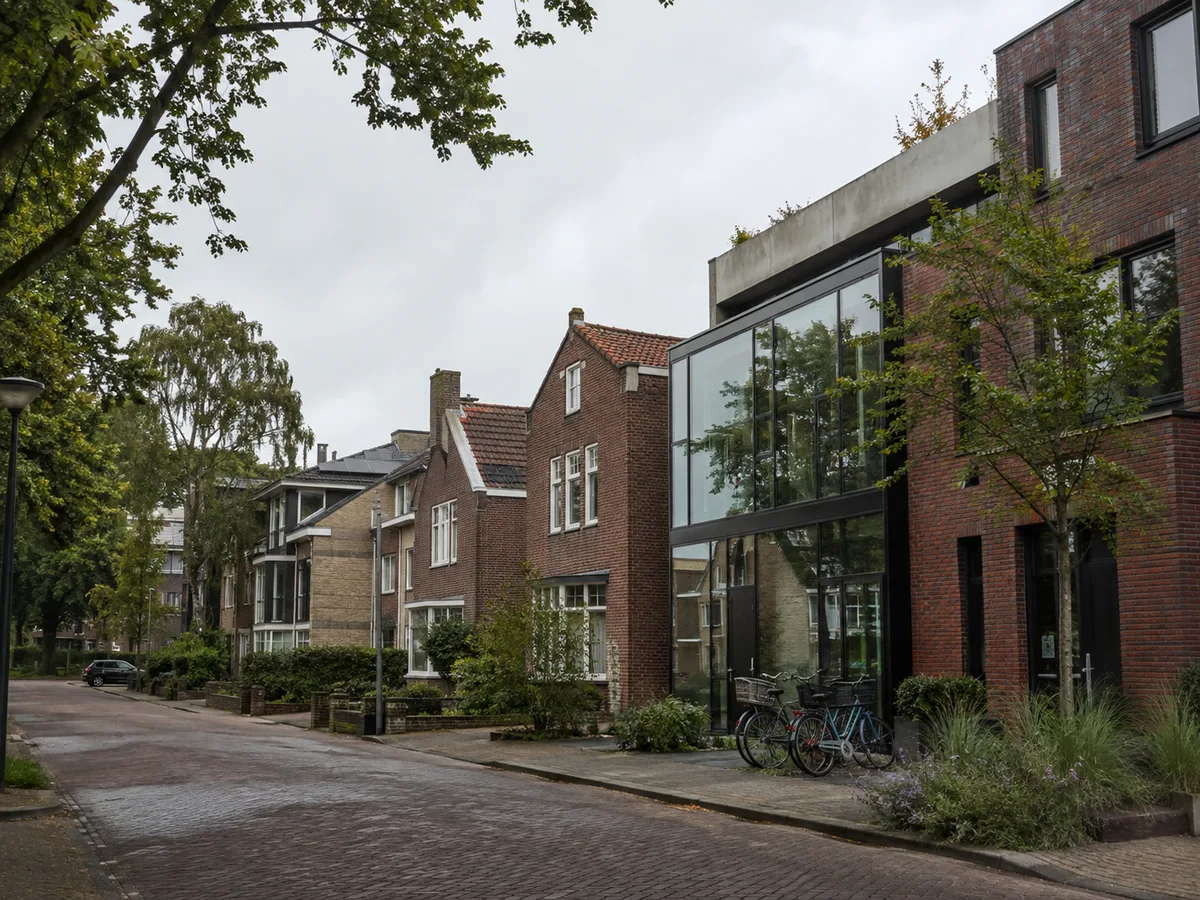
A home purchase in Eindhoven becomes easier to manage when you keep three decisions connected: what you can carry each month, how the address fits your daily life, and which conditions protect the purchase. Set those points before a seller asks for an answer, then carry the same notes from the first viewing to the notary. This sequence covers a private purchase of an existing home in the Netherlands for local buyers, first-time buyers and expats.
TL;DR: the seven steps
To buy a house in Eindhoven, set a safe budget, define the home that fits your life, investigate each address, submit an offer with clear conditions, sign and review the contract, finish the mortgage work, and complete the transfer at the notary.
- Set a budget that includes your own funds and a cash reserve.
- Turn your housing needs into a short search brief.
- View the property and confirm the building, documents and address.
- Make an offer that states price, conditions and timing.
- Read and sign the purchase agreement, then track the cooling-off period.
- Arrange the mortgage, valuation and any security payment.
- Complete the final inspection, notarial deeds and handover of the keys.
If you are buying in the Netherlands, the national sequence from borrowing to transfer gives these decisions a clear order.
Before you choose a search area, Eindhoven neighbourhoods for buyers turns broad area preferences into questions about routine, housing and the exact address.
Who this purchase sequence suits
You will get the most from these steps if you:
- are preparing to buy your first home in Eindhoven;
- are moving to the city and want Dutch purchase terms in a clear order;
- are comparing an apartment, terrace house or another existing home;
- want to know what happens between a viewing, an offer and the notary appointment.
New-build homes follow their own agreements, payment stages and technical documents. Match your questions to the contract in front of you and the dates attached to it.
What to prepare before you search
Prepare a borrowing estimate, a list of your own funds and a reserve for costs around the purchase. Gather proof of income, identification and information about an existing home or loan. Write a short search brief with preferred areas, travel needs, property type, outside space, renovation tolerance and the latest acceptable handover date.
Keep questions in one document. Add the asking price, service charges, energy information, known defects, VvE documents for an apartment and every deadline you receive. A buyer question list keeps those details together before they shape an offer.
If you are buying in Eindhoven, write mortgage valuation requirements for Eindhoven into the lender file before ordering a report, then keep property evidence separate from income records.
When a document or deadline still feels unclear, a question about that document or deadline gives you a way to frame the issue before you commit to the next step.
When this sequence helps
The order helps when several homes look similar or when a seller asks for a quick decision. It gives you a place to weigh monthly costs, condition, travel, noise, outdoor space, lease or VvE information and the time needed for financing before the asking price takes over the conversation.
Eindhoven addresses suit different daily routines. A short visit can miss evening sound, parking pressure, a busy cycle street or the practical effect of a planned renovation. Local questions about neighbourhoods, costs and offers meet in Eindhoven home-buying topics because an address decision rarely stops at the asking price.
What to have ready before the offer
- Budget view: know the monthly amount you can carry and the cash you want to keep after completion.
- Document folder: keep identification, income records, lender messages and property documents together.
- Search brief: write down the needs that would make a home work on an ordinary weekday.
- Viewing questions: ask about maintenance, defects, alterations, energy use, ownership form and handover.
- Deadline calendar: record the date for each condition, security payment, mortgage document and transfer.
These steps cover a private buyer purchasing an existing home to live in. Your lender decides what it will accept for the mortgage. A notary handles the legal transfer and can explain the deed set for your purchase. An adviser, building inspector or tax professional can answer questions that depend on your finances or the property file.
If you plan to add a dormer, remove a wall or change a room’s use, Eindhoven’s planning rules for the property determine the municipal context; seller consent remains a separate question.
For a private buyer of a home, the Dutch three-day cooling-off rule and its calendar exceptions determine how long you can withdraw after receiving the signed agreement.
The seven decisions from budget to keys
1. Set a budget with room to breathe
Ask a lender or mortgage adviser for an estimate of what you may be able to borrow. Treat it as a planning figure until the full application has been assessed. Add the purchase price, mortgage payment, service charges, insurance, local taxes, maintenance and one-off costs connected with the purchase. Keep a reserve for work that appears after you move in.
Your own funds can cover costs outside the loan. The cash ceiling should include buying costs in Eindhoven alongside the property price, monthly charges and reserve. Write down one ceiling for the property price and another for the total cash you are willing to use. That gap protects the decision when a home needs work or the lender asks for more documents.
2. Turn your needs into a search brief
Choose areas that fit your commute, family routine and preferred type of street. Separate firm needs from preferences. A lift, a ground-floor bedroom, a workspace or a short walk to a station can change the search more than a cosmetic finish.
Create a comparison sheet for each property with the address, asking price, floor area, outside space, energy information, VvE or lease details, likely work, travel time and open questions. The same fields make two enthusiastic viewing impressions easier to compare.
3. View the home and investigate the address
Walk through the home slowly. Look at the roof line, signs of moisture, windows, heating, ventilation, electrical points, insulation clues and the condition of shared areas. Ask what has been altered, when it happened and whether documents or permission exist. For an apartment, request the VvE budget, reserve information, meeting notes and planned work when those documents are available.
Visit the street at another time of day. Confirm the trip to work, school or the station, listen for sound, and notice parking and bicycle storage. The buyer has a duty to investigate the property, while the seller must share known information under the rules that apply to the transaction. Keep those responsibilities distinct in your notes.
4. Make an offer with conditions and dates
An offer can cover more than price. State the desired transfer date, what stays in the house, the time allowed for mortgage approval, a building inspection condition when needed, and any other condition you want the seller to accept. Ask how the seller wants the offer submitted and when a response is expected.
Set the amount from the viewing, documents and comparable homes. The list price is one signal; weigh it with the home’s condition, the address and the cash the purchase leaves you. If the seller uses a bidding logbook, keep your own record of what you submitted and when.
5. Read the purchase agreement and track the cooling-off period
When both sides agree, the purchase agreement records the price, property details, transfer date, security arrangement and conditions that can end the purchase. Work through every clause before signing. Confirm the spelling of names, address, included items, deadlines and the wording of any financing or inspection condition.
Put the moment you received the signed agreement in your calendar. Ask the notary, adviser or legal professional about a clause you cannot explain in your own words.
6. Finish the mortgage, valuation and security arrangements
Send the signed agreement and requested income records to the lender or adviser. A lender can ask for a valuation before it confirms the mortgage. The requested report type, documents and deadline belong to the lender’s file, so ask what it needs before booking a valuation.
The agreement can require a security payment or bank guarantee. A 10 percent amount is common in Dutch purchase agreements. The signed contract sets the amount, date and consequences. Move money only after you have confirmed the payment instructions with the notary or the party named in the agreement.
7. Complete the inspection and transfer
Before the transfer, complete the final inspection with the seller or agent. Confirm that the home is in the agreed condition, included items remain, keys and access devices are present, and any agreed repair has been discussed. Take notes and raise a mismatch before the notary appointment.
The notary prepares and explains the transfer deed and, where relevant, the mortgage deed. After signing and registration, ownership passes according to the transaction. You receive the keys, then arrange the move and update the municipality and other organisations that need your new address.
Two buyer situations
A starter comparing two terrace houses
A starter can face one house with a lower asking price and another that needs less work. Compare expected maintenance, energy use, travel time, monthly charges and the cash left after completion. A lower starting figure can require more funds after the transfer, so carry both possibilities in the budget sheet.
Apply the same seven decisions to both homes. The questions shift toward condition, likely work and the time available for financing. That record makes the final offer easier to explain to a lender and to yourself.
An expat considering an apartment
An international buyer needs time to work through Dutch contract terms, lender documents and VvE records. Ask for an explanation of words such as koopovereenkomst, ontbindende voorwaarde, waarborgsom and leveringsakte. Keep the Dutch wording beside your own notes, and arrange translation or legal review when a sentence affects your rights or a deadline.
For an apartment, the building association can influence monthly charges and planned work. Include those papers in the decision before you make an offer. The property type changes the questions, while the overall sequence stays familiar.
What can derail the purchase?
Mistake: setting the budget at the maximum borrowing figure
Why it happens: the headline number feels simple. Fix: subtract recurring housing costs, one-off costs and a reserve before setting the search ceiling.
Mistake: viewing once and deciding from the finish
Why it happens: a fresh interior can hide questions about the building or the street. Fix: return at another time, ask for documents and write down every unknown.
Mistake: making price the only part of the offer
Why it happens: bidding feels like a race. Fix: include transfer timing, conditions, included items and the time needed for your mortgage file.
Mistake: accepting a deadline without adding it to a calendar
Why it happens: several professionals can send dates in separate messages. Fix: keep one calendar and ask who confirms each completed action.
Mistake: skipping apartment documents
Why it happens: buyers focus on the private rooms. Fix: read VvE charges, reserve information, meeting notes and planned work before committing.
Mistake: assuming a planned alteration is automatically allowed
Why it happens: a previous owner may have made a similar change. Fix: confirm the municipal information, building documents and permission needed for your plan.
When a document or deadline does not fit
If the lender asks for a valuation, ask which report and date it needs. If a document is missing, request a written list from the seller, agent or VvE. If a condition or deadline is unclear, pause the decision and ask the notary, adviser or legal professional who is responsible for that part.
What to do after the offer and handover
After an offer or signed agreement, review the calendar once a week until the transfer. Keep a folder with the agreement, lender messages, valuation, inspection notes, notary letters and receipts. Mark each open question with an owner and a date.
After the keys arrive, report your move to the municipality and update insurers, utilities, employer and other organisations. Keep the property file for future maintenance. When a new home enters your search, use the same comparison sheet and revise it when your life or finances change.
Questions buyers ask about Eindhoven
How long does buying a house in Eindhoven take?
The schedule depends on search time, the seller’s transfer date, mortgage assessment, valuation and the notary calendar. Ask for each deadline in writing and keep the dates together.
Do I need a buying agent?
Compare the help you want with the fee, local knowledge, viewing support, offer work and contract questions. Ask what the service includes before you agree to it.
Does every buyer get three days to change their mind?
The three-day statutory cooling-off period applies to a private buyer purchasing a home, with calendar rules and exceptions. The period starts after you receive the signed agreement. Ask a professional about a transaction that does not fit the usual situation.
Is a 10 percent security amount always required?
A purchase agreement can include a deposit or bank guarantee around 10 percent of the purchase price. The signed agreement decides the amount, date and consequences, so work through that clause closely.
Can an expat buy a house in Eindhoven?
An international buyer must meet the lender’s requirements and understand the contract, taxes and transfer steps that apply to the transaction. A mortgage adviser, notary and translator can explain the parts that depend on your residence, income and documents.
Do I need a valuation before the mortgage is approved?
The lender can request a valuation as part of its decision. Ask which report, purpose and age rule it accepts, then keep the deadline beside the financing condition in the purchase agreement.
Keep your purchase file clear
Keep a budget sheet with the property price, recurring housing costs, one-off costs and the reserve you want to retain.
Keep viewing notes for building condition, street observations, documents received and questions still open.
Write down the answer to each open question next to the person responsible and the date promised. This makes a missing document visible before it affects the next decision.
For a dormer or removed wall, keep the municipal planning question separate from seller consent and the cost of the work.
Questions to resolve before you offer
Ask yourself which facts still need an answer:
- Does the monthly budget still work after service charges, insurance, maintenance and purchase costs?
- Does the street suit your weekday routine at the times you will travel?
- Which property documents or VvE records are still missing?
- Which offer condition needs a date, a document or a professional explanation?
Before you make an offer
Confirm that you have:
- viewed the property and street at a useful time of day;
- read the documents supplied for the home or VvE;
- recorded price, conditions and transfer timing;
- asked the lender about valuation and mortgage deadlines;
- listed the security payment or bank guarantee date;
- written the cooling-off and other contract dates in one calendar;
- asked a professional about any clause you cannot explain.
Update these notes when Dutch purchase rules, lender requirements or Eindhoven municipal information changes. Your signed agreement and professional advice govern your transaction.
This is general information about buying an existing home in Eindhoven, not personal legal, mortgage or property advice. Confirm a decision about your budget, offer, contract, valuation or handover with the qualified professional responsible for that part. If you have a question about the buying process, contact us before you take the next step.
Please do not send passports, contracts, bank details or other personal documents.
Ask us about buying a house in Eindhoven →